
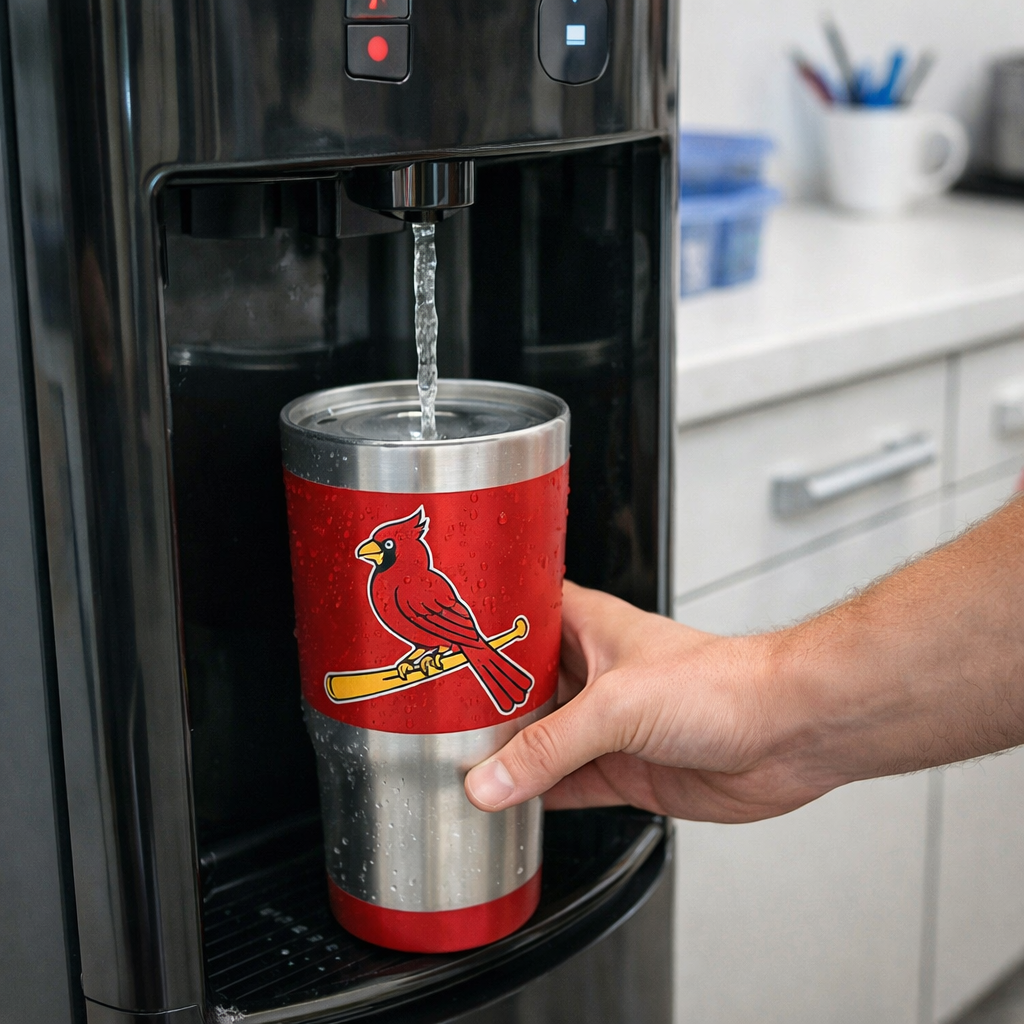
Is St. Louis Tap Water Safe for Office Drinking?
Is St. Louis tap water safe for office drinking? In many cases, yes. For most businesses in the region, municipally supplied tap water is treated and monitored to meet state and federal drinking water standards. But that is not the whole story.
Office managers, facilities leaders, and business owners usually are not asking only about treatment plants and regulations. They are asking a more practical question: Can my employees and guests drink the water in this building with confidence?
That answer depends not only on the utility, but also on the building’s service line, interior plumbing, fixture condition, maintenance habits, and whether your team cares about taste, odor, and peace of mind in addition to bare compliance.
For St. Louis businesses, this question matters even more right now because lead service line inventory and replacement work is active across the region.
So the most honest answer is this: St. Louis tap water is generally regulated and treated to be safe, but office drinking water confidence is still shaped by what happens between the main and the faucet. That is exactly why many businesses add point-of-use purification or bottleless water systems as an extra layer of consistency, better taste, and visible reassurance.
What “safe” really means for office drinking water
When people ask whether tap water is safe, they usually mean one of three things.
First, they want to know whether their utility meets regulatory standards. In that sense, the answer is often straightforward.
Second, they want to know whether the water in their actual building may be affected by older plumbing, low-use fixtures, or lead-containing materials.
Third, they want confidence. This is where workplace expectations rise above minimum compliance. A law office, clinic, warehouse, school, or dental practice may technically have potable water and still decide that filtered, better-tasting, easier-to-access drinking water is a smarter choice for employees and visitors.
That is why safe and best for the office experience are not always the same thing.
The short answer for St. Louis businesses
For most offices in the St. Louis region, tap water from the utility is treated, monitored, and compliant. Still, older buildings can introduce extra variables.
If your office is asking, Can we drink the tap water? the practical answer is usually yes. If your office is asking, Should we rely only on the tap, with no added filtration, no better-tasting water, and no visible reassurance for staff or guests? that answer depends on your building and your standards.
Why St. Louis offices are paying closer attention to tap water now
This topic is showing up more often for a reason. Lead service line attention is no longer an abstract issue.
Even if the utility is compliant, what do you do if your office is in an older building, you have low-traffic sinks that sit overnight, or your staff has seen local headlines about lead lines? Many businesses do not want to argue with employees about whether the water is probably fine. They want a simple, visible answer that improves confidence and taste at the same time.
That is one reason bottleless purified water systems keep gaining traction in offices. If your team is exploring those options, this office bottleless water cooler guide can help frame the decision.
Utility water quality and building plumbing are not the same thing
This is the distinction most people miss.
A utility can do its job well and still not control every inch of plumbing inside a private office building. That matters because office water quality is shaped by more than the treatment plant. It can also be influenced by:
Service line material
If a building or private-side service line includes lead or galvanized material requiring replacement, that can affect risk management and employee confidence.
Interior plumbing age
Older fixtures, solder, and plumbing components can create added concerns, especially in long-held commercial properties.
Water stagnation
If sinks or breakroom fixtures sit unused overnight or over weekends, water can remain in pipes for long periods.
Taste and odor expectations
Even when water is compliant, employees may dislike chlorine or chloramine taste, temperature, or smell.
This is why building-level water experience matters just as much as utility-level compliance.
What OSHA requires from employers
If you manage an office, clinic, warehouse, or other workplace, OSHA gives you a baseline rule: employers must provide potable water in the workplace and permit employees to drink it.
For many businesses, that means tap water can satisfy the rule. But compliance is only the floor. A business may still decide that a purified bottleless system is the better workplace solution because it improves access, taste, cleanliness, and confidence. That is especially true in client-facing offices, healthcare spaces, and workplaces trying to improve employee wellness.
Those broader employee-experience gains are part of the office water purification benefits Purity Source is already covering on the site.
What offices should do if they are concerned about lead
If your office is asking this question because of lead concerns, here is the practical path.
Start by identifying who serves your building. Some St. Louis businesses are served by the City of St. Louis Water Division. Others are served by Missouri American Water.
Then check your service line information if the utility offers a map or inventory lookup, especially if your building is older.
Next, pay attention to first-draw water. If water has been sitting in pipes for several hours, flushing cold water before drinking can help reduce concerns tied to stagnation.
Then consider point-of-use filtration if your office wants added protection and better confidence. Ask whether the filter is certified for the specific reduction claims that matter to your building and your team.
Why many St. Louis offices still choose purified bottleless water
Even if municipal water is generally compliant, many offices still decide that point-of-use purification is the smarter move.
Some want better taste. Some want a cleaner, more modern breakroom. Some want visible reassurance after local lead service line news. Some want to move away from bottled water delivery and heavy jugs. Others simply want a more consistent hydration experience for staff and guests.
A bottleless purified water system can help with all of those things because it treats water at the point of use, removes the hassle of bottle delivery, and gives the office a dedicated drinking-water solution instead of relying on a standard sink faucet.
For offices that also want a cleaner user experience, touchless office water cooler options can add another layer of convenience and reassurance once that post is live.
Questions St. Louis businesses should ask before relying on office tap water alone
Who is our water provider?
City of St. Louis Water Division and Missouri American Water both publish current water quality reports, but they are not the same system.
How old is our building plumbing?
Utility compliance does not automatically answer what is happening inside an older building.
Do we know our service line material?
That is especially relevant in St. Louis right now because local systems are actively communicating about lead service line inventories and next steps.
Do employees trust the water?
If people avoid the tap because of taste, odor, or local concern, that affects hydration regardless of whether the utility report is compliant.
Do we want the minimum standard or a better workplace experience?
There is a difference between having technically potable water and offering water that people actually enjoy drinking throughout the day.
Final answer for St. Louis businesses
So, is St. Louis tap water safe for office drinking? In general, yes. The major local utilities report compliance with state and federal drinking water standards, which is an important baseline. But businesses should not stop the conversation there.
In an office setting, the more complete question is whether your specific building delivers drinking water that is compliant, trusted, good-tasting, and easy for people to use every day.
For many St. Louis businesses, especially those in older properties or client-facing spaces, the best answer is not fear and not complacency. It is clarity. Check your provider. Check your service line and plumbing situation. Understand your risks. Then decide whether a purified bottleless system is the better fit for your staff, your guests, and your peace of mind.
If your team wants more confidence in workplace drinking water, Purity Source can help you evaluate a purified office water solution that fits your building, staff size, and service needs. To learn more about office drinking water options for your St. Louis, Columbia, or Southern Illinois business, contact Purity Source today.
Frequently Asked Questions
Is St. Louis tap water safe to drink at work?
In general, yes. Local utilities report compliance with state and federal drinking water standards. But the experience inside a specific office can still be affected by plumbing, service lines, and fixture conditions.
Why do offices still use filtered water if city water is safe?
Many offices want better taste, more employee confidence, and added reassurance in older buildings. Point-of-use filtration can help improve consistency and convenience.
Can old office plumbing affect drinking water quality?
Yes. Building plumbing, service lines, stagnation, and older fixtures can all affect water at the tap, even when the utility supply meets regulations.
Should a St. Louis office test its drinking water?
If the building is older or staff has concerns, testing and reviewing service line information can be a smart step. Many businesses also choose point-of-use filtration for added confidence.
What is the best office water option if we want better confidence and taste?
For many businesses, a purified bottleless water system offers a strong mix of convenience, cleaner presentation, better taste, and visible reassurance.


Leave A Comment