
Bottleless Water for Healthcare Offices: What to Know
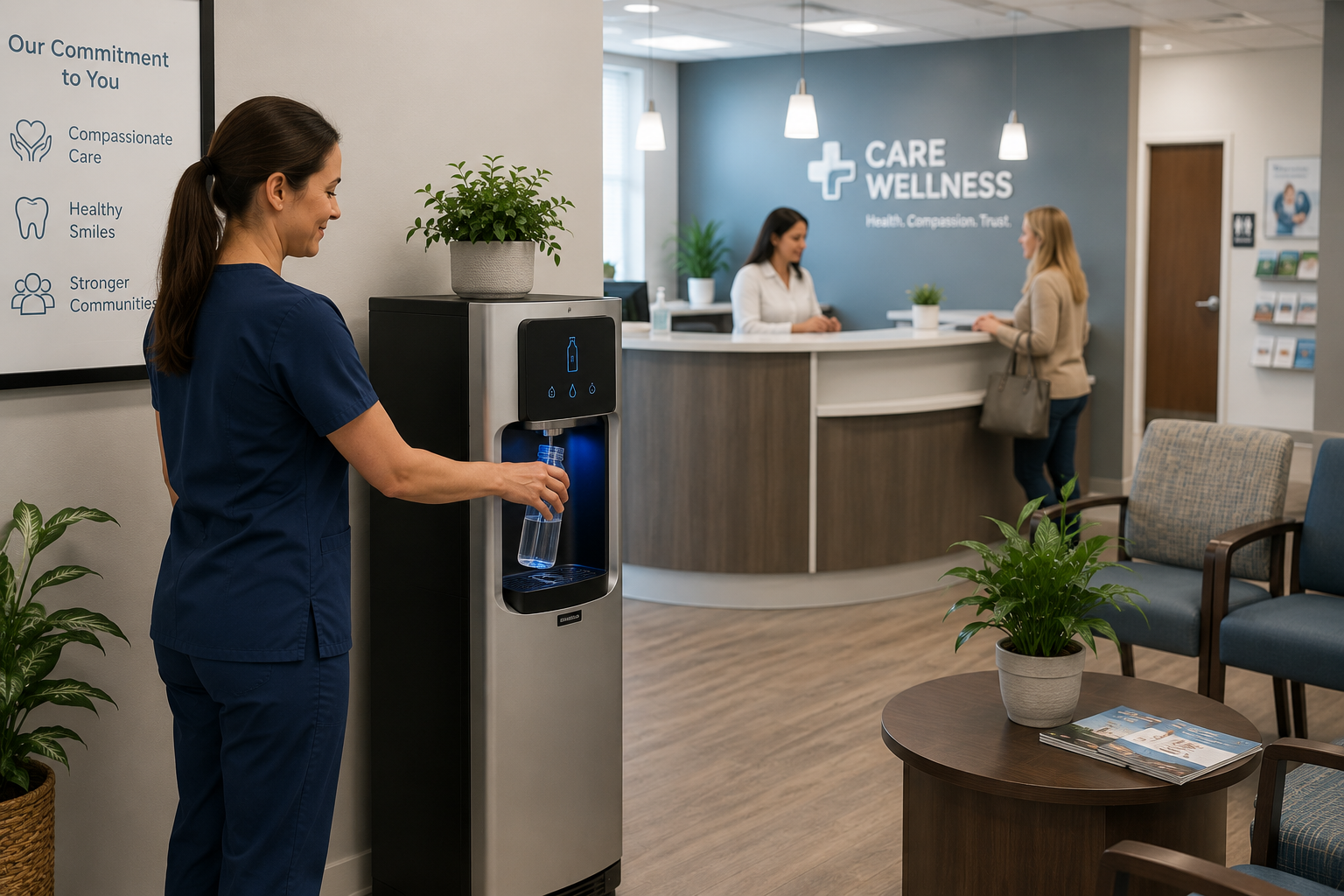
Bottleless water for healthcare offices can help medical practices, dental offices, therapy clinics, chiropractic offices, med spas, urgent care locations, and specialty healthcare providers offer cleaner, easier drinking water without managing bottled water deliveries, heavy jugs, storage clutter, or empty bottle returns.
Healthcare offices are different from traditional offices. They are staff workplaces, patient-facing spaces, and high-traffic environments all at once. People may be waiting for appointments, checking in at reception, meeting with providers, working long shifts, cleaning rooms, handling paperwork, answering phones, reviewing charts, and moving between patient care and administrative work throughout the day.
That makes drinking water access more than a breakroom convenience. It affects staff comfort, guest experience, waiting room presentation, storage space, and the daily workload of whoever manages supplies. A bottled water cooler may work for a small office at first, but as traffic grows, it can become another task to manage.
This guide explains how bottleless water for healthcare offices works, why it fits medical and dental environments, what to consider before choosing a system, where to place water stations, and how St. Louis, St. Charles, the Metro East, Belleville, Edwardsville, Collinsville, Bethalto, and Southern Illinois healthcare practices can create a cleaner and easier water experience.
Quick Answer: What Is Bottleless Water for Healthcare Offices?
Bottleless water for healthcare offices is a point-of-use drinking water system that connects to a building water line and purifies water at the place where staff, patients, guests, or visitors use it. Instead of scheduling bottled water delivery, storing 3-gallon or 5-gallon jugs, and replacing heavy bottles, the office uses a plumbed-in system designed to provide consistent purified water on demand.
A bottleless water setup can support healthcare offices by helping with:
- Staff hydration throughout long shifts.
- Cleaner waiting room presentation.
- Reduced bottled water storage.
- Less lifting and bottle replacement.
- Fewer emergency water orders.
- Convenient access for guests and visitors.
- Hot and cold water options, depending on the unit.
- Breakroom, reception, waiting room, and staff area water access.
- Reduced single-use bottle and jug dependence.
- Service and filter maintenance through a managed provider.
Purity Source, a Da-Com company, provides purified water solutions for businesses that want reliable, great-tasting water for teams, customers, vendors, and guests.
Why Healthcare Offices Need a Different Water Strategy
Healthcare offices often have more complicated water needs than a typical professional office. A small accounting firm may only need one breakroom cooler. A healthcare office may need water access for staff, reception, waiting rooms, providers, clinical support teams, visitors, and sometimes conference or consultation spaces.
Healthcare offices also need to think about perception. A waiting room should feel clean, calm, and organized. A staff breakroom should be easy to use. A patient-facing space should not have empty water jugs stacked nearby, a messy bottle storage corner, or a cooler that runs out during the day.
Common water challenges in healthcare offices include:
- Bottles taking up closet or storage space.
- Heavy jugs that staff must lift and replace.
- Water running out during high-traffic days.
- Deliveries interrupting office flow.
- Empty bottles waiting to be picked up.
- Patients or guests seeing cluttered supply areas.
- Staff bringing disposable bottled water from home.
- No clear ownership over ordering, storing, and replacing bottles.
- Water access that is too far from the people who need it.
For a healthcare office, the right water solution should reduce those problems instead of adding another task to the front desk or office manager’s list.
Bottleless Water for Healthcare Offices vs. Bottled Delivery
Many healthcare offices start with bottled delivery because it feels simple. A vendor delivers water jugs, the office stores them, someone replaces the empty bottle, and the cycle repeats. That model can work for very small offices or temporary setups, but it often becomes frustrating as the practice grows.
Bottleless water for healthcare offices removes the ongoing jug replacement routine. The system connects to the building water line, filters or purifies water at the point of use, and is serviced on a schedule.
| Category | Bottled Water Delivery | Bottleless Water System |
|---|---|---|
| Storage | Requires full and empty bottle storage | No large bottle storage needed |
| Lifting | Staff may need to lift heavy jugs | No heavy bottle replacement |
| Availability | Depends on delivery and inventory | Connected to water line for ongoing use |
| Appearance | Can create clutter in waiting rooms or closets | Cleaner, more modern presentation |
| Maintenance | Focuses on bottle delivery and replacement | Requires filter service and provider maintenance |
| Best fit | Very small or temporary offices | Busy practices, staff areas, waiting rooms, and high-traffic offices |
Da-Com’s guide to office water delivery vs. bottleless water explains the differences between jug delivery and point-of-use purification for workplaces that want a cleaner, easier water service model.
Healthcare Office Water Service and Clean Presentation
Healthcare spaces are judged quickly. Patients and visitors notice the waiting room, reception area, restroom, exam room, staff interactions, and small amenities. Water service is one of those details that can make a healthcare office feel more thoughtful and professional.
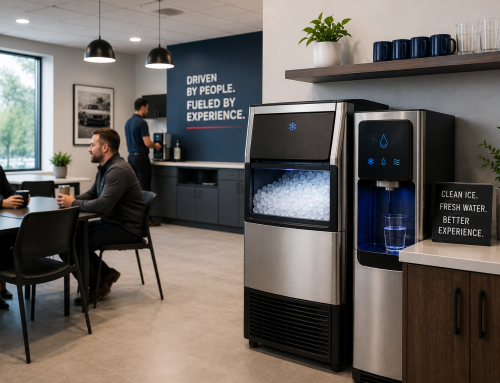
A bottleless water station can support a cleaner office presentation because it reduces the visible clutter that often comes with bottled delivery. There are no empty jugs lined up in a corner, no full bottles stacked in a closet, and no awkward moment when someone discovers the cooler is empty.
This matters in spaces such as:
- Medical waiting rooms.
- Dental reception areas.
- Orthodontic offices.
- Physical therapy clinics.
- Chiropractic offices.
- Med spas and aesthetic clinics.
- Urgent care offices.
- Specialty practices.
- Staff lounges and breakrooms.
- Consultation rooms.
While a water station is not a substitute for clinical hygiene practices, healthcare environments already understand the value of cleanliness, organization, and trust. The CDC notes that hand hygiene helps protect healthcare personnel and patients by reducing the spread of germs. You can review the CDC resource here: CDC Hand Hygiene for Healthcare Settings.
The practical takeaway for water service is simple: shared spaces should be easy to maintain, clean-looking, and thoughtfully managed.
Staff Hydration During Long Healthcare Shifts
Healthcare staff often move through busy days with limited downtime. Front desk employees, hygienists, assistants, nurses, therapists, technicians, providers, billing teams, and office managers may all need quick access to water without leaving their work area for long.
When water is convenient, people are more likely to use it. When the only option is a bottle hidden in a personal bag or a cooler that is always empty, staff may skip water, rely on soda or coffee, or bring disposable bottles from home.
A bottleless water system can support staff by providing:
- Cold water in staff areas.
- Hot water for tea or instant drinks, depending on the unit.
- Easy bottle filling.
- Less reliance on single-use bottles.
- Convenient access near the breakroom, reception, or staff corridor.
- Consistent service without staff managing jug replacement.
The CDC explains that drinking enough water is important for health and that water can help prevent dehydration. The CDC also notes that water has no calories and can help reduce calorie intake when used to replace sugary drinks. You can review the CDC resource here: CDC Water and Healthier Drinks.
For healthcare offices, a better water station is not only a patient-facing amenity. It is also a staff support tool.
Where to Place Bottleless Water in a Healthcare Office
Placement matters. A water system that is hard to access will not be used as often. A water station in the wrong location may create traffic problems, clutter, or inconvenience.
Before choosing a location, consider who will use the system most often.
Waiting Room or Reception Area
A waiting room water station can support patients, guests, caregivers, vendors, and visitors. This can be especially useful in offices where people may wait before or after appointments.
Good waiting room placement should be:
- Easy to find.
- Away from high-traffic bottlenecks.
- Near cups or reusable options if provided.
- Visible enough to feel like an amenity.
- Easy for staff to monitor for cleanliness.
Staff Breakroom
The staff breakroom is often the most important location for daily use. Employees can fill bottles, make tea, get cold water, or use the system during breaks without walking through patient-facing spaces.
Clinical Support or Back-Office Area
Some healthcare offices benefit from a water station near the staff workflow rather than tucked away in a breakroom. This can be useful for high-volume dental offices, therapy clinics, or practices where employees move between treatment rooms and administrative areas.
Conference or Consultation Area
Some practices may want water access near consultation rooms, training spaces, or meeting areas. This can support patient education, treatment planning, vendor meetings, and staff training sessions.
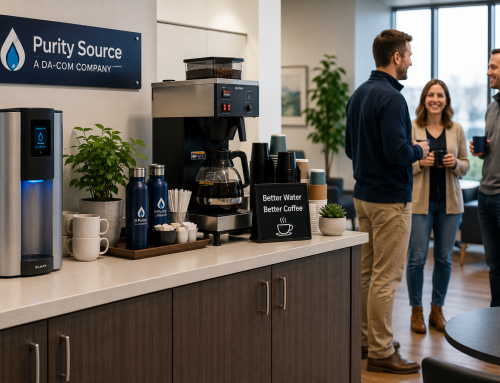
Da-Com’s office beverage station guide explains how water, ice, sparkling water, coffee, and related breakroom tools can fit together in a more complete workplace beverage strategy.
Dental Offices and Bottleless Water Coolers
Dental offices are a strong fit for bottleless water because they often have both patient-facing and staff-only needs. Patients may wait before appointments, family members may sit in reception, hygienists and assistants may have busy schedules, and front desk staff may need water without leaving the area.
A dental office may use bottleless water in:
- The waiting room.
- The staff lounge.
- A back-office corridor.
- A consultation area.
- An administrative workroom.
Dental offices also tend to care about first impressions. A clean water station feels more polished than a stack of disposable bottled water or an older jug cooler that needs frequent attention.
For dental practices that already offer coffee, tea, or bottled water to patients and guests, a bottleless system can create a more organized approach. The office may also consider ice or sparkling water if the waiting area is especially guest-focused.
Medical Offices, Clinics, and Therapy Practices
Medical offices and therapy practices often need a practical water solution that supports both staff and visitors. Depending on the practice, daily traffic may include patients, caregivers, vendors, sales representatives, delivery drivers, providers, administrative employees, and clinical staff.
Bottleless water can help these offices reduce:
- Supply closet clutter.
- Disposable bottled water use.
- Staff time spent ordering water.
- Heavy lifting.
- Empty bottle storage.
- Waiting room beverage mess.
Therapy clinics, chiropractic offices, and wellness-focused practices may especially benefit from a water station because hydration aligns naturally with the patient experience. A purified water station can feel like a small but thoughtful amenity in a space where comfort matters.
How Bottleless Water Supports Sustainability Goals
Many healthcare offices are looking for practical ways to reduce waste without creating more work. Water is a good place to start because bottled delivery and single-use bottles can create ongoing packaging, storage, and disposal needs.
The EPA recommends bringing drinks in a water bottle or thermos instead of disposable bottles or cartons. The EPA also suggests considering a filter on a water tap and refilling bottles with filtered water instead of buying bottled water. You can review the EPA resource here: EPA Reduce Plastic Waste.
A bottleless water system can help healthcare offices support reusable bottles and reduce dependence on delivered jugs or disposable bottled water. This can be especially helpful for practices that want sustainability improvements that are easy for employees to understand and use.
It also helps reduce the “hidden work” of water service. Fewer bottles means less storage, less lifting, fewer empties, and fewer delivery interruptions.
Service and Filter Changes Matter
A bottleless water system is only as good as the service behind it. Healthcare offices should ask how filters are maintained, who handles service, what happens if the unit needs support, and how the provider communicates maintenance needs.
Before choosing a provider, ask:
- Who installs the system?
- Who changes the filters?
- How often is service performed?
- What purification or filtration process is used?
- What happens if the unit needs repair?
- Is hot water available if the practice needs it?
- Can the unit support waiting room or staff traffic?
- Where should the unit be placed?
- What cleaning responsibilities belong to the office?
- Can the provider support additional units if the practice grows?
Da-Com’s guide to office water filter changes explains why maintenance schedules, filter replacement, service ownership, and support expectations matter for workplace water systems.
Workplace Drinking Water Requirements Still Apply
While this article focuses on healthcare office convenience and guest experience, drinking water access is also part of workplace basics. OSHA’s workplace sanitation standard defines potable water as water that meets drinking water standards of the state or local authority with jurisdiction, or EPA National Primary Drinking Water Regulations. You can review OSHA’s standard here: OSHA 1910.141 Sanitation.
For healthcare office managers, this reinforces the importance of reliable drinking water access for staff. A bottleless system can support that access while improving the daily experience around water service.
What to Ask Before Choosing Bottleless Water for Healthcare Offices
Use this checklist before choosing a bottleless water system for a medical, dental, therapy, chiropractic, or specialty healthcare office.
- How many employees will use the system each day?
- Will patients, guests, or visitors use it too?
- Should the system be placed in the waiting room, breakroom, or both?
- Do you need cold water only, or hot and cold water?
- Would ice or sparkling water improve the guest experience?
- How much bottled water or jug water does the office currently use?
- Where are full bottles, empty bottles, or disposable bottled water stored now?
- Who currently manages water ordering and replacement?
- Does the practice need multiple units?
- How often will filters be changed?
- Who handles service and maintenance?
- Can the provider explain the system in plain language?
- Can the setup grow with the practice?
The right provider should ask about your workflow before recommending a unit. A dental office with one waiting room may need a different setup than a multi-provider clinic with a staff lounge, consultation rooms, and a high-traffic reception area.
Common Mistakes Healthcare Offices Make With Water Service
Keeping Bottled Delivery Too Long
Bottled delivery may feel familiar, but it can become inefficient as the office grows. If staff are constantly managing bottles, storage, and deliveries, it may be time to compare bottleless options.
Placing the Water Station Where No One Uses It
Water access should match traffic patterns. A system hidden in the wrong corner may not support staff or guests well.
Ignoring Staff Needs
Patient-facing amenities matter, but staff use water every day. Breakroom and back-office placement should be part of the conversation.
Not Asking About Service
Filter changes, repairs, and maintenance should be clear before installation. A water system should reduce office tasks, not create confusion.
Forgetting About the Full Beverage Experience
Some healthcare offices may only need purified water. Others may benefit from ice, sparkling water, coffee, hot water, or FreshCup support for reusable cups and mugs. The best setup depends on how the office operates.
Frequently Asked Questions About Bottleless Water for Healthcare Offices
What is bottleless water for healthcare offices?
Bottleless water for healthcare offices is a point-of-use water system that connects to a building water line and purifies water where staff, patients, guests, or visitors use it. It removes the need for large water jug delivery and heavy bottle replacement.
Is a bottleless water cooler good for a medical office?
Yes. A bottleless water cooler can be a good fit for medical offices that want convenient staff water access, cleaner waiting room presentation, less bottled water storage, and fewer delivery-related tasks.
Can dental offices use bottleless water systems?
Yes. Dental offices can use bottleless water systems in waiting rooms, staff lounges, consultation areas, or administrative spaces to support both staff and patient-facing hospitality.
Where should a healthcare office place a bottleless water station?
Common locations include waiting rooms, reception areas, staff breakrooms, back-office corridors, consultation rooms, and training areas. The best placement depends on who will use the system most often.
Does bottleless water reduce plastic bottle waste?
It can help reduce dependence on disposable bottled water and large delivered jugs. Offices can encourage employees to use reusable bottles, cups, or glasses.
What should healthcare offices ask before choosing a water provider?
Ask about installation, filtration or purification, filter changes, maintenance, service response, unit capacity, placement, hot and cold water options, and whether additional units can be added later.
Can bottleless water be part of a larger beverage station?
Yes. Healthcare offices may combine bottleless water with ice, sparkling water, coffee, hot water, or reusable cup support depending on staff needs, waiting room expectations, and guest experience goals.
Does Purity Source serve healthcare offices in Southern Illinois?
Purity Source supports businesses in St. Louis, St. Charles, the Metro East, Belleville, Edwardsville, Collinsville, Bethalto, and Southern Illinois with purified water solutions for workplaces, including healthcare offices.
Build a Cleaner Water Experience for Staff and Guests
Bottleless water for healthcare offices helps solve a practical problem. Staff, patients, guests, and visitors need convenient access to drinking water, but bottled delivery can create storage clutter, heavy lifting, empty bottle management, and restocking headaches.
A bottleless system can give healthcare offices a cleaner, more modern, and easier way to provide purified water. It can support staff hydration, improve waiting room presentation, reduce disposable bottle dependence, and remove one more task from the office manager’s list.
The best setup depends on the practice. A small dental office may need one polished waiting room unit. A busy clinic may need separate systems for reception and staff areas. A therapy or chiropractic office may want water access near both treatment and administrative spaces. The right provider should help match the system to the workflow, traffic, and service expectations of the office.
To learn more about bottleless water for healthcare offices in St. Louis, St. Charles, the Metro East, Belleville, Edwardsville, Collinsville, Bethalto, or Southern Illinois, contact Da-Com today. Purity Source can help your healthcare office evaluate purified water systems, placement, service, filter changes, and beverage station options that support a cleaner, easier experience for staff and guests.


Leave A Comment