
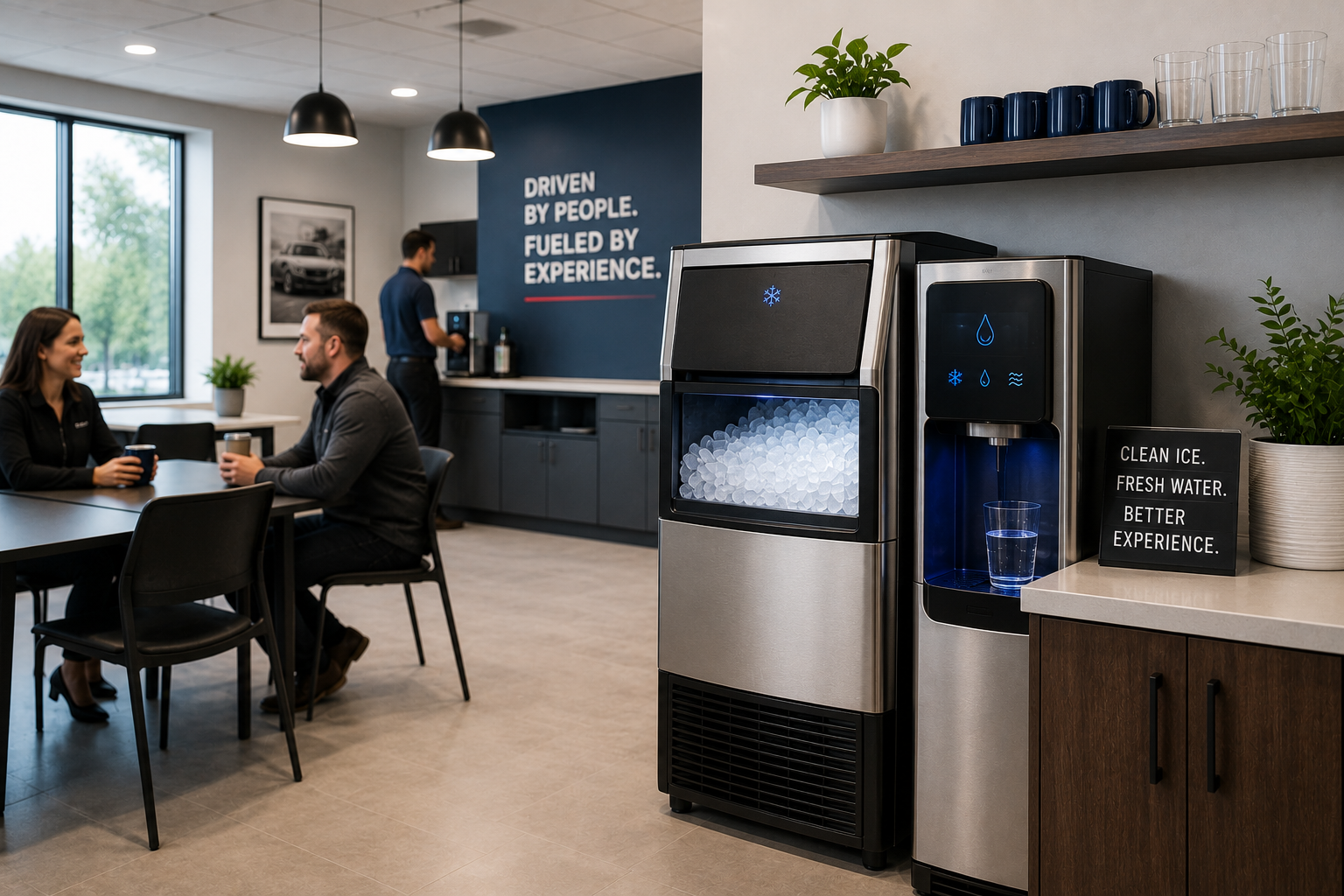
Workplace Ice Quality: Taste, Odor and Ice Problems
Workplace ice quality matters more than most businesses realize. Employees, customers, patients, guests, students, technicians, and visitors may use ice every day without thinking much about it. But the moment ice tastes strange, smells off, looks cloudy, clumps together, runs out too quickly, or comes from a machine that looks neglected, people notice.
Ice is part of the workplace beverage experience. It supports purified water, coffee, tea, sparkling water, reusable bottles, customer waiting rooms, employee breakrooms, service departments, warehouse hydration stations, and meeting hospitality. When the ice is clean, cold, reliable, and easy to access, it feels like a small but useful amenity. When the ice is questionable, people lose trust in the whole beverage station.
For businesses in St. Louis, St. Charles, the Metro East, Belleville, Edwardsville, Collinsville, Bethalto, and Southern Illinois, ice quality should be part of the same conversation as purified water quality, filter changes, equipment placement, service schedules, and employee or guest experience.
This guide explains what affects workplace ice quality, why office ice may taste or smell bad, what causes cloudy or clumped ice, why ice machines run low, how service and cleaning affect trust, and what businesses should ask before choosing an ice and water provider.
Quick Answer: What Affects Workplace Ice Quality?
Workplace ice quality is affected by water quality, filtration or purification, ice machine type, equipment cleanliness, filter changes, machine placement, usage volume, storage conditions, employee handling habits, temperature, service schedules, and the age or condition of the machine.
Common workplace ice quality problems include:
- Ice that tastes or smells strange.
- Cloudy ice.
- Soft or wet ice.
- Ice that clumps together.
- Low ice output during busy times.
- Slow recovery after peak usage.
- Dirty-looking bins or dispensing areas.
- Ice that melts too quickly.
- Employees avoiding the ice machine.
- Customers or guests questioning whether the ice is clean.
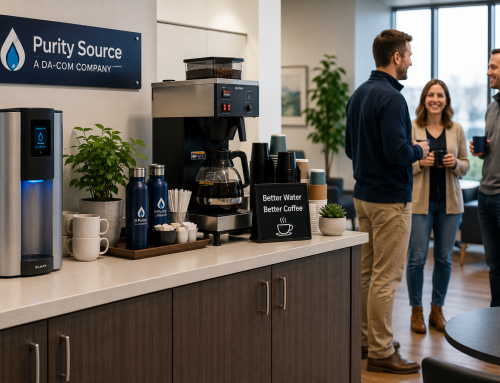
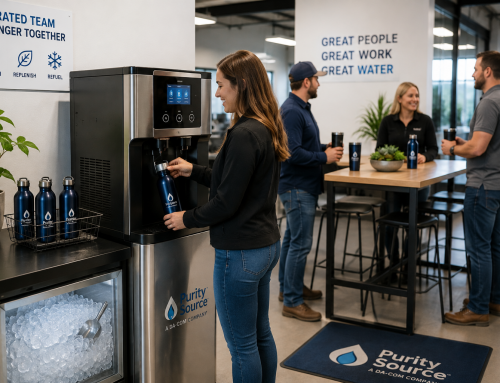
Purity Source, a Da-Com company, provides purified water solutions for businesses that want great-tasting water and ice backed by service, filter changes, and workplace-focused support.
Why Workplace Ice Quality Matters
Ice is often treated as an afterthought until there is a problem. But poor ice quality can affect how people feel about the entire breakroom, waiting area, or beverage station. If the ice looks cloudy, tastes off, or comes from a machine that appears dirty, employees and guests may stop using it.
Workplace ice quality matters because it affects:
- Employee trust in the breakroom.
- Guest and customer hospitality.
- Drink taste.
- Reusable bottle and cup use.
- Hydration habits.
- Meeting and event support.
- Perception of cleanliness.
- Confidence in the water and ice provider.
- Office manager workload.
In customer-facing environments, ice quality can be especially noticeable. A healthcare office, car dealership, school office, waiting room, professional office, or service business may offer water and ice to guests throughout the day. Those guests may not know anything about the machine, but they will notice if the ice station looks clean, works reliably, and feels cared for.
Da-Com’s office beverage station guide explains how purified water, ice, sparkling water, coffee, and service planning can work together to create a cleaner and easier workplace beverage experience.
What Causes Bad-Tasting or Smelly Ice?
Bad-tasting or smelly ice is one of the most common workplace ice complaints. Employees may describe the ice as stale, musty, metallic, plastic-like, or just “off.” Sometimes the issue is the ice itself. Sometimes the ice is picking up taste or odor from the water, machine, bin, filter, or surrounding environment.
Common causes of taste and odor problems include:
- Water quality issues.
- Old or overdue filters.
- Mineral buildup.
- Machine cleanliness problems.
- Ice sitting too long in storage.
- Odors from nearby food, cleaning supplies, or trash.
- Poor machine placement.
- Dirty scoops, bins, trays, or dispensing areas.
- Service schedules that do not match usage.
If ice tastes bad, the office should not ignore it. Ice quality complaints are often a sign that the water source, filter schedule, machine condition, or cleaning process needs review.
Da-Com’s guide to office water filter changes explains why filter maintenance, service schedules, and clear ownership matter for workplace water systems.
Why Ice Looks Cloudy
Cloudy ice does not always mean the ice is unsafe, but it can affect perception. Employees and guests may assume clear ice is cleaner or better tasting, while cloudy ice can look less appealing.
Ice may look cloudy because of:
- Air trapped in the ice.
- Minerals in the water.
- Freezing speed.
- Water filtration or purification differences.
- Machine type.
- Ice form, such as nugget ice or cube ice.
- Storage conditions.
For many offices, the bigger issue is not whether every piece of ice is perfectly clear. The bigger issue is whether the ice tastes good, smells normal, dispenses reliably, and comes from a machine that is serviced and maintained.
A managed ice and water setup can help reduce uncertainty because the office has a provider responsible for equipment, filters, service, and support.
Why Ice Machines Run Low During the Day
Low ice output is another common workplace problem. The office starts the morning with plenty of ice, then the machine cannot keep up by afternoon. This can happen in offices, clinics, dealerships, schools, warehouses, and service departments where usage spikes during certain times of day.
An ice machine may run low because of:
- The machine is undersized for the workplace.
- Storage capacity is too small.
- Daily production is too low.
- Usage spikes during lunch, shift changes, or meetings.
- Employees fill large tumblers or bottles.
- Customers or guests use ice more than expected.
- The machine is located in a warmer environment.
- Filters or maintenance issues are reducing performance.
- The machine is older or no longer matching demand.
Two specifications matter most when choosing a workplace ice machine: daily production and storage capacity. Daily production tells you how much ice the unit can make in 24 hours under certain conditions. Storage capacity tells you how much ice the bin holds at one time.
Da-Com’s nugget ice machine guide explains why sizing, production, storage, placement, cost, and care matter when choosing a workplace ice solution.
Why Ice Clumps Together
Clumped ice can frustrate employees and guests because it is harder to dispense, scoop, or use in cups and bottles. Clumping can also make the ice station look neglected, even when the underlying problem is related to temperature, storage, humidity, or usage patterns.
Ice may clump together because of:
- Partial melting and refreezing.
- Warm air entering the bin.
- Low usage over long periods.
- High humidity.
- Improper bin temperature.
- Machine performance issues.
- Ice sitting too long in storage.
- Door or gasket issues.
Some ice types are more likely to clump than others depending on shape, moisture level, and storage conditions. Nugget ice, cube ice, and flake-style ice can behave differently. The best choice depends on how the workplace uses ice and how quickly employees or guests go through it.
Nugget Ice vs. Cube Ice and Quality Expectations
Different ice types create different user expectations. Nugget ice is soft, chewable, and popular in offices, healthcare practices, dealerships, and employee breakrooms. Cube ice is denser and melts more slowly, which can be useful for drinks, coolers, meetings, or higher-volume environments.
| Ice Type | Best For | Quality Considerations |
|---|---|---|
| Nugget ice | Employee breakrooms, healthcare offices, customer lounges, hydration stations | Popular texture, easy to chew, may require good sizing and regular service |
| Cube ice | Meeting drinks, customer areas, high-volume use, coolers, service departments | Slower melting, denser ice, good for larger drink needs |
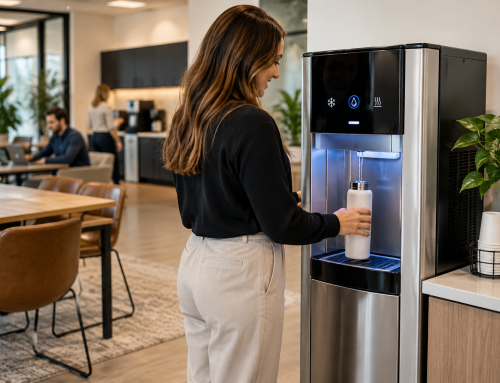
| Ice and water dispenser | Offices that want water and ice in one station | Convenient, polished, and easier for users when properly placed and serviced |
The best workplace ice solution is not always the most popular machine. It is the machine that fits usage, placement, capacity, water quality, service expectations, and user preference.
Cleaning and Service Affect Workplace Ice Quality
Ice machines need cleaning and service because they handle water, ice, storage, dispensing surfaces, and daily user contact. A machine that is not serviced properly can create taste issues, performance problems, visible buildup, or trust concerns.
The CDC notes that microorganisms may be present in ice, ice-storage chests, and ice-making machines. It also notes that ice can be contaminated by the potable water from which it is made and by transfer from hands. You can review the CDC resource here: CDC Environmental Infection Control: Ice Machines and Ice.
Workplace ice machine care may include:
- Cleaning visible surfaces.
- Inspecting dispensing areas.
- Changing water filters.
- Reviewing machine performance.
- Checking the ice bin or storage area.
- Inspecting for leaks or unusual sounds.
- Reviewing output and usage.
- Scheduling professional maintenance.
- Following manufacturer recommendations.
Da-Com’s office ice machine cleaning guide explains why cleaning schedules, service ownership, and maintenance matter for workplace ice machines.
Filter Changes and Ice Quality
Water filters and purification systems can directly affect the taste and quality of workplace ice. Since ice is made from water, the water going into the machine matters.
Filter changes may affect:
- Taste.
- Odor.
- Mineral buildup.
- Machine performance.
- Consistency.
- Employee confidence.
- Service life of the equipment.
NSF explains that replacement cartridges should be changed at the recommended interval to support water treatment system performance. You can review the NSF resource here: NSF Water Filter Replacement Guidance.
For workplaces, the key is ownership. Someone should know who changes the filters, how often they are changed, what happens if usage increases, and who responds if taste or odor changes.
Placement Can Affect Ice Quality and Performance
Where the ice machine sits can affect both user experience and machine performance. A machine placed in a hot, crowded, dusty, or poorly ventilated area may have more trouble keeping up. A machine placed too far from users may be underused. A machine placed in a tight corner may be harder to clean and service.
Good placement should account for:
- User access.
- Water line access.
- Electrical access.
- Ventilation.
- Service clearance.
- Traffic flow.
- Flooring and cleanup.
- Nearby odors or contaminants.
- Whether the area is guest-facing or staff-only.
Da-Com’s guide to water cooler placement explains how location affects usage, traffic flow, service access, and the overall workplace beverage experience.
Ice Handling Habits Matter Too
Even a good ice machine can have quality issues if daily handling habits are poor. This is especially true for machines with bins, scoops, shared cups, or high traffic.
Better ice handling habits may include:
- Using a dedicated scoop when needed.
- Keeping scoops off counters and out of dirty areas.
- Avoiding direct hand contact with ice.
- Keeping the dispensing area clean.
- Reporting odd taste, odor, or appearance quickly.
- Not storing unrelated items in or near the ice bin.
- Keeping nearby trash, food, and cleaning products away from the ice area.
The CDC recommends minimizing or avoiding direct hand contact with ice intended for consumption and using a hard-surface scoop to dispense ice when appropriate. You can review the CDC guidance here: CDC Ice Machines and Ice Guidance.
For offices, the best approach is to make good habits easy. A dispenser that drops ice directly into cups or bottles can reduce handling compared with open bins and shared scoops.
Workplace Ice Quality by Business Type
Healthcare Offices
Healthcare offices often care deeply about cleanliness, patient perception, and staff convenience. Ice quality matters in waiting rooms, staff breakrooms, and employee areas where water and ice are used throughout the day.
Car Dealerships
Dealerships use ice in customer lounges, service departments, staff breakrooms, and events. Poor ice quality can affect both customer comfort and employee satisfaction.
Professional Offices
Law firms, financial offices, accounting firms, consulting businesses, and insurance offices may use ice for employee drinks, client meetings, and conference room hospitality.
Schools and Community Organizations
Schools, churches, nonprofits, and community organizations may need reliable ice for staff lounges, meetings, events, and high-traffic gathering areas.
Warehouses and Service Departments
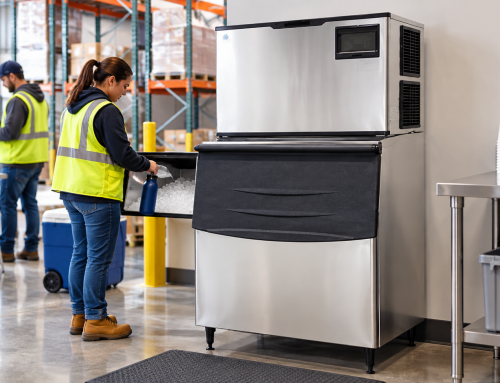
Warehouses, service teams, and industrial offices may use more ice during warm months or physically active workdays. Output, placement, and durability matter in these environments.
How to Know If Your Ice Machine Needs Attention
Your workplace ice machine may need service or review if employees or guests notice:
- Ice tastes strange.
- Ice smells musty or stale.
- Ice looks cloudy in an unusual way.
- Ice is soft, wet, or melting too fast.
- Ice clumps together.
- The machine runs out during normal use.
- The bin or dispensing area looks dirty.
- There are visible drips, leaks, or buildup.
- The machine makes unusual noises.
- Employees stop using the ice machine.
- The machine has not been serviced recently.
- No one knows when filters were last changed.
These signs do not always mean the machine is failing. They do mean someone should review the system, service history, placement, filters, cleaning schedule, and usage patterns.
What to Ask an Ice and Water Provider
Before choosing or replacing a workplace ice machine, ask questions that go beyond the machine itself.
- What type of ice is best for our workplace?
- How much ice production do we need per day?
- How much storage capacity do we need?
- How does purified water affect ice quality?
- Who changes the filters?
- How often should the machine be serviced?
- Who handles cleaning and maintenance?
- What happens if the ice tastes or smells off?
- What happens if the machine runs low or stops producing?
- Where should the machine be placed?
- Can the provider support both water and ice?
- Can the system grow if usage increases?
- What support is included after installation?
The best provider should help you think about the full outcome: ice quality, water quality, placement, sizing, service, filters, cleaning, user habits, and ongoing support.
Workplace Drinking Water Still Comes First
Ice is an important workplace amenity, but drinking water access is still the foundation. OSHA’s workplace sanitation standard defines potable water as water that meets drinking water standards of the state or local authority with jurisdiction, or EPA National Primary Drinking Water Regulations. You can review OSHA’s standard here: OSHA 1910.141 Sanitation.
For employers, the practical takeaway is that water and ice should be treated as part of a reliable workplace beverage system. Good ice starts with good water, good placement, and good service.
Workplace Ice Quality Checklist
Use this checklist to review your current ice setup.
- Does the ice taste normal?
- Does the ice smell clean?
- Does the machine produce enough ice during peak usage?
- Is the machine placed in a clean, convenient area?
- Is there enough ventilation and service access?
- Are filters changed on a clear schedule?
- Is the bin or dispensing area visibly clean?
- Do employees know how to report taste, odor, or output issues?
- Is the machine sized for actual headcount and guest traffic?
- Is the ice type right for how people use it?
- Is service handled by a provider or left to office staff?
- Would a combined water and ice station improve the experience?
Common Mistakes That Hurt Workplace Ice Quality
Choosing the Machine Before Understanding Usage
An ice machine should be sized for real daily use, not guesswork. Headcount, peak times, customer traffic, and employee habits all matter.
Ignoring Filter Changes
Old filters can affect taste, odor, and performance. Filter schedules should be clear and owned by the provider or office team.
Placing the Machine in a Bad Location
Heat, poor ventilation, dust, tight corners, and hard-to-service locations can all create problems.
Assuming Cleaning Is Someone Else’s Problem
Cleaning and maintenance should be defined before installation. If no one owns it, it may not happen consistently.
Waiting Until Employees Complain
If employees stop using the ice machine, trust is already damaged. It is better to address signs early.
Frequently Asked Questions About Workplace Ice Quality
What affects workplace ice quality?
Workplace ice quality is affected by water quality, filtration, machine cleanliness, filter changes, equipment type, placement, temperature, storage conditions, usage volume, service schedules, and ice handling habits.
Why does office ice taste bad?
Office ice may taste bad because of water quality issues, old filters, machine buildup, ice sitting too long, nearby odors, poor maintenance, or a machine that needs service.
Why does workplace ice smell strange?
Strange ice odors may come from the water, machine surfaces, storage bin, nearby food or cleaning products, overdue filters, or cleaning issues. The machine and water system should be reviewed if odor changes.
Why is office ice cloudy?
Cloudy ice can be caused by trapped air, minerals, freezing speed, water quality, or ice type. Cloudiness is not always a problem, but taste, odor, cleanliness, and machine service should still be monitored.
Why does our ice machine keep running out?
An ice machine may run out if it is undersized, has too little storage, is used heavily during peak times, is placed in a warm area, has filter or maintenance issues, or no longer matches workplace demand.
How often should an office ice machine be serviced?
Service frequency depends on the machine, manufacturer recommendations, usage volume, water quality, placement, and workplace environment. Businesses should ask their provider for a clear schedule and ownership plan.
Does purified water improve ice quality?
Purified water can help improve taste consistency and reduce some water-related ice quality complaints. The right filtration or purification setup depends on the workplace and local water conditions.
Can Purity Source help with workplace ice quality?
Yes. Purity Source can help businesses in St. Louis, St. Charles, the Metro East, Belleville, Edwardsville, Collinsville, Bethalto, and Southern Illinois evaluate ice machines, purified water, placement, filter changes, service, and workplace beverage station needs.
Build an Ice Station People Trust
Workplace ice quality is about more than clear cubes or full bins. It is about trust. Employees and guests should feel comfortable using the ice machine. Office managers should not have to chase mystery odors, low output, clumping, or service confusion. Customers, patients, and visitors should see a clean, professional beverage station that supports the overall experience.
The right ice solution starts with the right machine, but it does not end there. Water quality, filter changes, placement, cleaning, sizing, user habits, and service all affect the final result.
If your current ice machine tastes off, smells strange, runs low, clumps together, or creates more questions than confidence, it may be time to review the full setup.
To learn more about workplace ice quality for your St. Louis, St. Charles, the Metro East, Belleville, Edwardsville, Collinsville, Bethalto, or Southern Illinois business, contact Da-Com today. Purity Source can help you evaluate purified water, ice machines, filter changes, placement, service, and beverage station options that give employees and guests ice they actually trust.


Leave A Comment